Solar Energy UK
17 June 2026
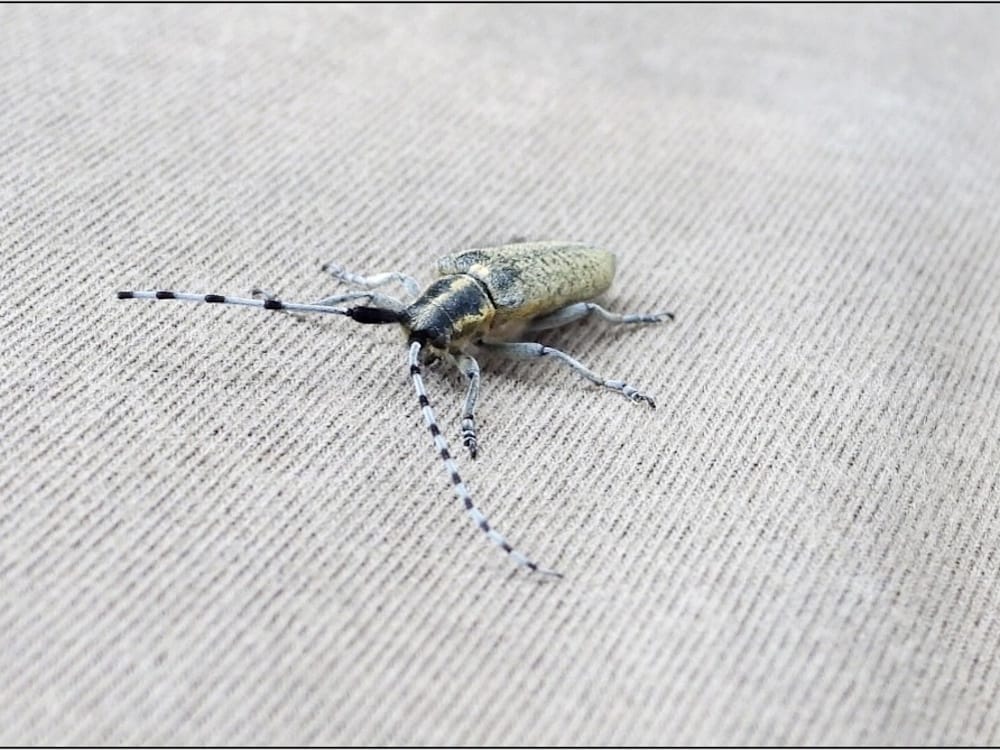
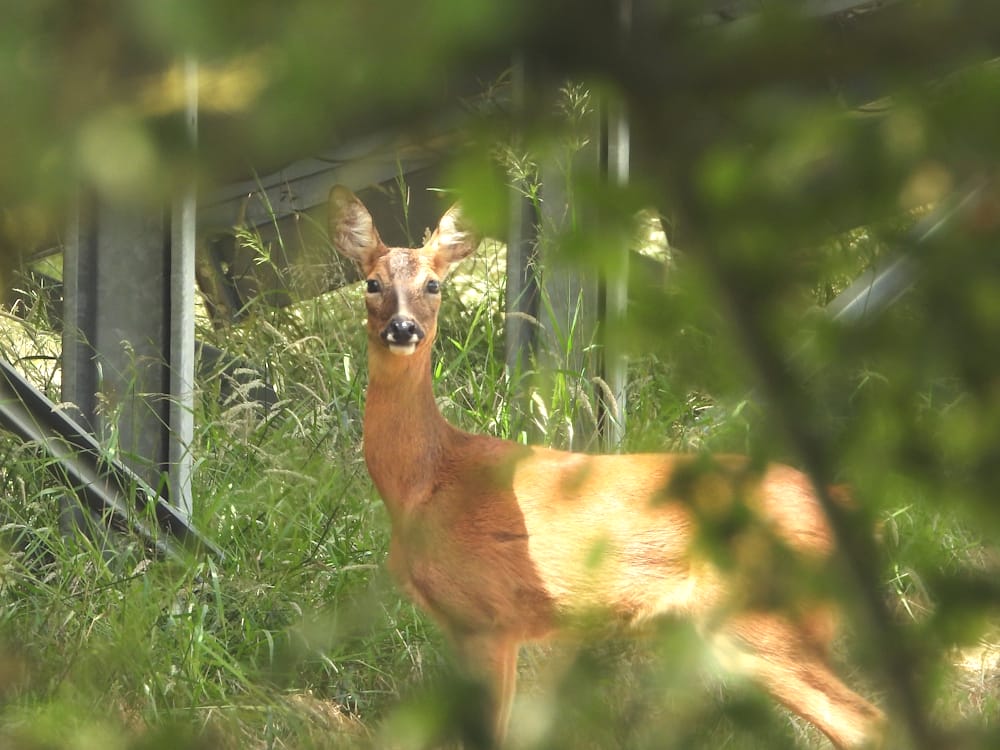
Beautiful photographs of wildlife on solar farms are available here.
The Royal Society for the Protection of Birds, academics and the solar industry have together underlined how solar farms managed with nature in mind can benefit both climate and wildlife.
Launched at a parliamentary event this morning was Policy guidelines for nature positive solar farms, produced by the RSPB, Lancaster University and the University of York, accompanied by the fourth edition of Solar Energy UK’s analysis of on-site ecological monitoring data, Solar Habitat 2026.[1,2]
“Clean energy development and nature recovery are not rival ambitions. I’m delighted to see Solar Energy UK and the RSPB coming together to set out how building a more secure and affordable energy system can deliver for habitats as well as homes and businesses,” said the event’s host, Polly Billington MP.
“The RSPB supports the rapid rollout of renewable energy, where it is developed in harmony with nature, and solar is a critical part of this effort to drive forward our transition away from fossil fuels,” wrote RSPB Chief Executive Beccy Speight in a foreword to Solar Energy UK’s report.
“Through the RSPB’s scientific research, policy advocacy work and our partnerships with businesses, we know that well-sited, well designed and well-managed solar can be significantly advantageous for biodiversity. Our studies have shown that solar farms created with biodiversity-boosting features can help some of our iconic farmland bird species,” she added.
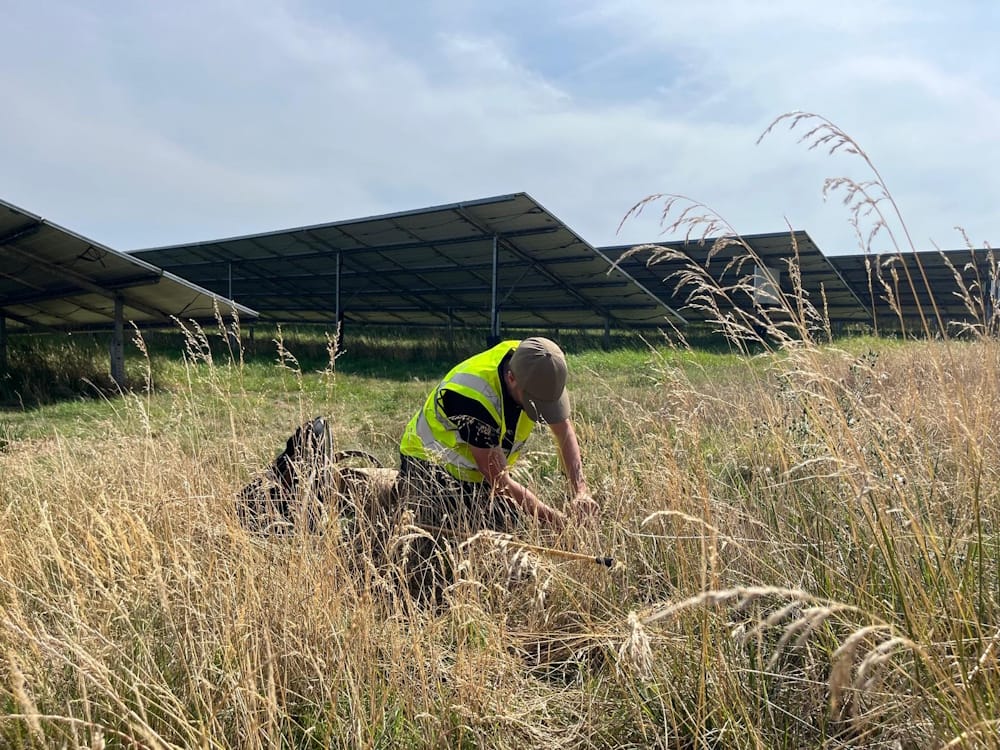
Information for Solar Habitat 2026 was gathered from 6% of British solar farms, across a broadly representative sample of locations, ages, areas and generation capacities, using Solar Energy UK’s Standardised Approach to Monitoring Biodiversity.[3]
The report highlights observations of:
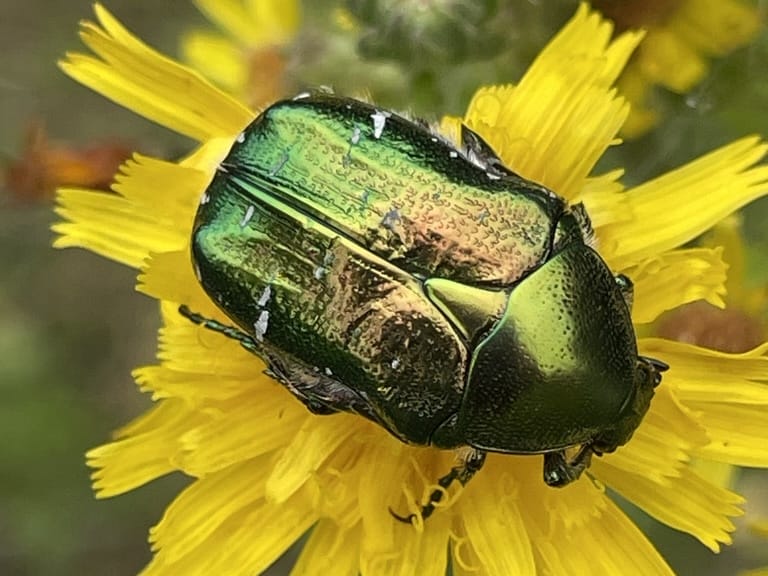
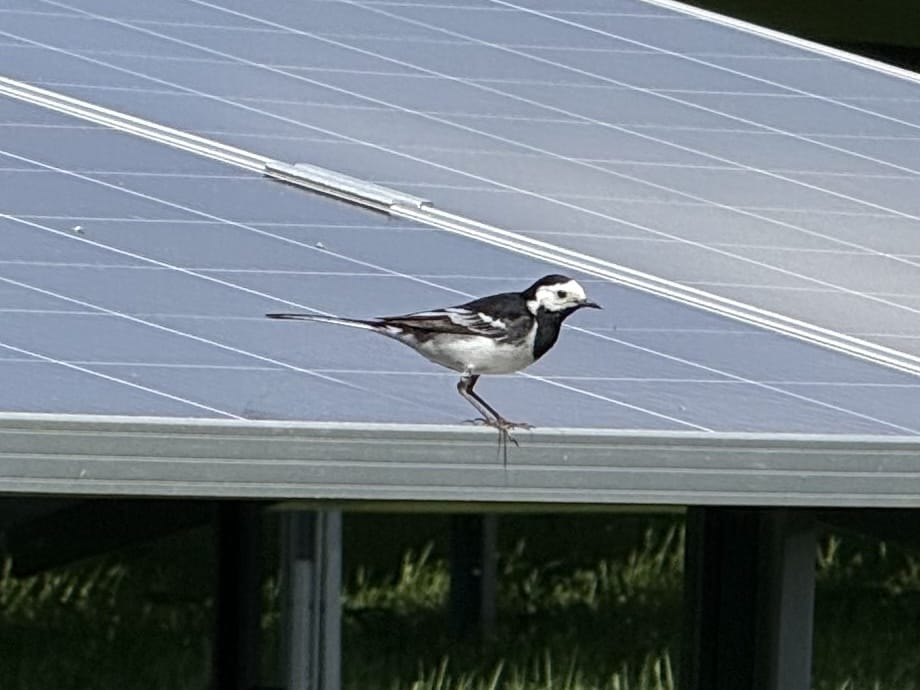
- Over 2,800 birds of 77 different species. Almost half of the birds seen were of conservation concern. Among the most abundant of red- or amber-listed species was the greater whitethroat, a migratory bird whose population has declined by two thirds over the past 60 years.
- 259 plant species. Wild chamomile and common wormwood, both considered endangered, were recorded at one site.
- 2,500 bumblebees of five species.
- 27 species of butterflies, among them two classified as vulnerable (silver studded blue and brown hairstreak) and one classified as endangered (wall butterfly). “In one case, 100 meadow brown butterflies were observed along one 100 m transect,” the report notes.
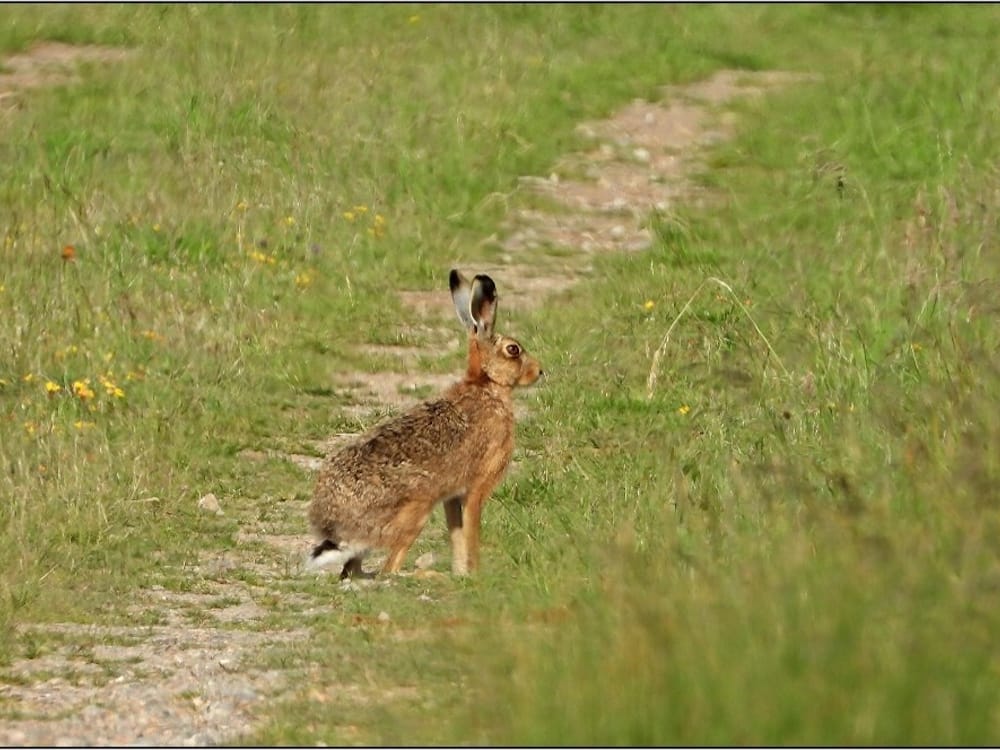
- Two species of deer, fox, badger, squirrel, rabbit, common shrew and brown hare – the most frequently observed mammal.
- Adder, common lizard, grass snake, slow worm and sand lizard were all found on just one solar farm in Dorset, making it a ‘Key Reptile Site’ according to the reptile and amphibian conservation charity Froglife.
Guidelines
The RSPB, Lancaster University and the University of York report notes that the growth of solar farms “offers significant opportunities to simultaneously mitigate climate change and benefit nature,” contributing to the multifunctional goals of the recent Land Use Framework for England.[4]
It summarises the state of knowledge of how solar farms interact with the natural world, identifying knowledge gaps and recommending policies to support the creation of nature positive solar farms. Among these are building the evidence base for site-specific data, industry establishing a network of ‘research-intensive’ solar farms, clarifying government expectations and setting aside some land within larger solar farms to experiment with concurrent land uses, such as food production.
As Solar Energy UK Chief Executive Chris Hewett wrote in a foreword to the guidelines, to mitigate the impacts of climate change, “We must rapidly transition away from fossil fuels. At the heart of this shift is solar energy; not only as a means of decarbonising our power system, but as an opportunity to deliver for nature at the same time. Properly designed and managed solar farms offer opportunities to deliver for both climate and biodiversity, together and at scale. By embedding nature positive outcomes into the very fabric of our energy and planning policy, we can ensure the transition to net zero delivers a safer climate, a more resilient economy, and a countryside richer in nature for decades to come.”
Alona Armstrong, one of the authors of the guidelines and Professor of Energy & Environmental Sciences at Lancaster University, said: “We need to decarbonise our energy systems to mitigate climate change and this can also be done in a way that enhances biodiversity. These reports provide evidence that solar farms, when well located, designed and managed, can support biodiversity and outline how policy could further support solutions that mitigate both the climate and biodiversity crisis.”
Peer-reviewed research
For the first time, data gathered for the Solar Habitat monitoring programme has been used in a series of scientific papers.
A team led by Lancaster University analysed 86 English and Welsh solar farms to determine what factors drive biodiversity, finding that a combination of site characteristics, management approaches, landscape context and survey methods all played a role in explaining differences between sites.[5]
A separate study assessed if British solar farms could support bumblebees in the face of a countryside changing due to altering diets, increasing urbanisation, climate change and other factors. The findings suggest that that solar farms managed for biodiversity – namely with wildflower-rich margins – could more than double bumblebee numbers compared to those managed as improved grassland.[6]
The abundance of farmland birds has fallen by a shocking 62% since 1970. Among them is the corn bunting, once common but now red-listed.
One of their few breeding populations is at the community-owned Westmill Solar Farm in Oxfordshire. Researchers at Lancaster University and volunteers at West Oxfordshire Farmland Bird Group found five nests there between 2019 and 2023, plus 36 in surrounding land.[7] All nests within the solar farm were successful, compared to 60% outside, thought to be linked to both the relative abundance of invertebrates and protection from predators afforded by security fencing and cover from the panels themselves.
[1] Policy guidelines for nature positive solar farms – RSPB, Lancaster University and the University of York
[2] Solar Habitat 2026: Ecological trends on solar farms in the UK – Solar Energy UK
[3] A Standardised Approach to Monitoring Biodiversity – 2nd edition – Solar Energy UK
[4] Land use in England – Department for Environment, Food & Rural Affairs
[5] Blaydes H, et al. Environ. Res.: Ecology 2026 5 025008 doi.org/10.1088/2752-664X/ae711d
[6] Blaydes H, et al. Solar Farms as Potential Future Refuges for Bumblebees. Global Change Biology 2025; Vol 31 Issue 18 doi.org/10.1111/gcb.70537
[7] Secker BM, Walker NS, Sharp SP. Observations on the use of a solar park by Corn Buntings in southern England. British Birds 2026; Vol 119 Pages 208–217
– ENDS –
Editor’s notes:
For more information or to request an interview, please contact:
Gareth Simkins, Senior Communications Adviser
news@solarenergyuk.org | solarenergyuk.org
About Solar Energy UK: Solar Energy UK is the largest trade association representing the solar and battery storage sector. It represents over 400 member organisations. Its membership includes companies working across both rooftop and ground-mounted solar – delivering projects that contribute to a clean, secure energy system and help reduce energy bills for homes and businesses.
Author

Gareth Simkins
Senior Communications Adviser
Talk to me about
PR Crisis Management • PR & Media • NSIP Communications