Solar Energy UK
17 June 2026
The introduction of plug-in solar panels, “is compatible with UK domestic electrical systems,” an independent report commissioned by the Department for Energy Security and Net Zero has concluded.[1]
The report, released yesterday, adds that certain technical and quality measures should be implemented, based on the results of extensive safety testing. “The development of a clearly bounded, standards led implementation framework should be progressed that translates the technical feasibility demonstrated in this study into a safe and enforceable real-world deployment model,” it states.
A consultation on amending regulations concerning plugs and sockets has now opened, alongside the publication of an interim product specification that will permit only safe and compliant plug-in solar systems to be sold in the UK.[2]
While the final regulatory arrangements are being made, major retailers such as B&Q, Currys and Asda have indicated their intention to sell plug-in systems when they become available.[3]
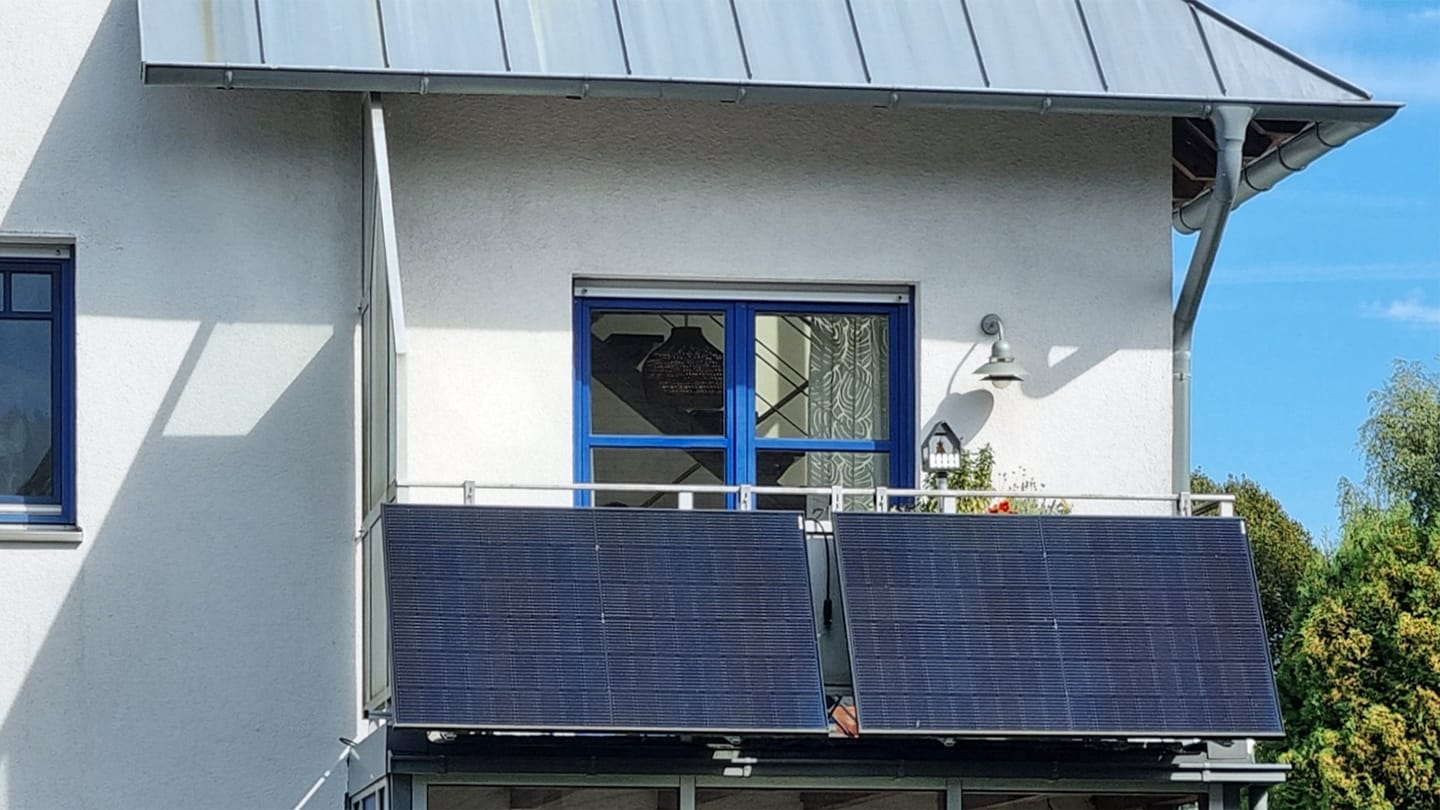
Plug-in solar systems have been wildly successful on the continent. In Germany alone, over 1.2m were registered by the end of last year, the market growing more than tenfold in two and a half years. Their total installed capacity now comes to almost a gigawatt.[4,5]
“DESNZ’s progress in introducing plug-in solar systems to the UK market is most welcome, as is the independent reassurance of their safety and compatibility with household electrical systems. We would like to see similar progress for the sister product of plug-in batteries,” said Chris Hewett, Chief Executive of the trade association Solar Energy UK.
“Forming a new frontier of the solar market, they will play a much-needed role in cutting household bills for flats and rented accommodation, alongside other households that cannot currently access the technology. As their capacity is expected to be limited to only 800 watts, a full-scale rooftop system from an installer registered with the standards body MCS will always be the better option where possible, as they generate far more power,” he added.
Over two million smaller-scale full size solar installations are now online, largely on homes, according to MCS data. They are now typically installed alongside battery energy storage, allowing energy produced in the day to be used or exported in the evening.
The draft rules for plug-in solar will not allow use with batteries. Solar Energy UK calls on DESNZ to commission a similar safety study for this technology, with a view to allowing its use as soon as possible.
[1] Plug-in solar electrical safety study – DESNZ
[2] Plug-in solar: Regulatory amendment and interim product specification – DESNZ
[3] More families to benefit from lower bills through plug-in panels
[3] New Study Shows, 50% of German Plug-In Solar Systems Include a Battery – pluginsolar.info
[4] Auswertung Marktstammdatenregister 2025 – Bundesverband Steckersolar
– ENDS –
Editor’s notes:
For more information or to request an interview, please contact:
Gareth Simkins, Senior Communications Adviser
news@solarenergyuk.org | solarenergyuk.org
About Solar Energy UK: Solar Energy UK is the largest trade association representing the solar and battery storage sector. It represents over 400 member organisations. Its membership includes companies working across both rooftop and ground-mounted solar – delivering projects that contribute to a clean, secure energy system and help reduce energy bills for homes and businesses.
Author

Gareth Simkins
Senior Communications Adviser
Talk to me about
PR Crisis Management • PR & Media • NSIP Communications