Solar Energy UK, Chartered Institute for Archaeologists, Historic England, the Association of Local Government Archaeological Officers and the Federation of Archaeological Managers and Employers
24 June 2026
- Solar energy and archaeological sectors unite to publish good practice framework
- The Guide covers the full lifecycle of large-scale solar farms, from planning to decommissioning
- Early integration of archaeological advice helps developers keep projects on track
- See the Good Practice Guide here
- Download images here
New guidance seeks to minimise the impact of archaeological investigations on solar farm development, while ensuring assets remain protected.
Clear and consistent guidance
Solar energy developers can now access clear and consistent guidance on managing archaeological requirements throughout large-scale solar farm projects.
Supported by professional and industry bodies, the Archaeology and Solar Farms Good Practice Guide sets out when to act, which techniques to use and how developers and archaeologists can work together effectively, from early site assessment through to decommissioning.
Early engagement
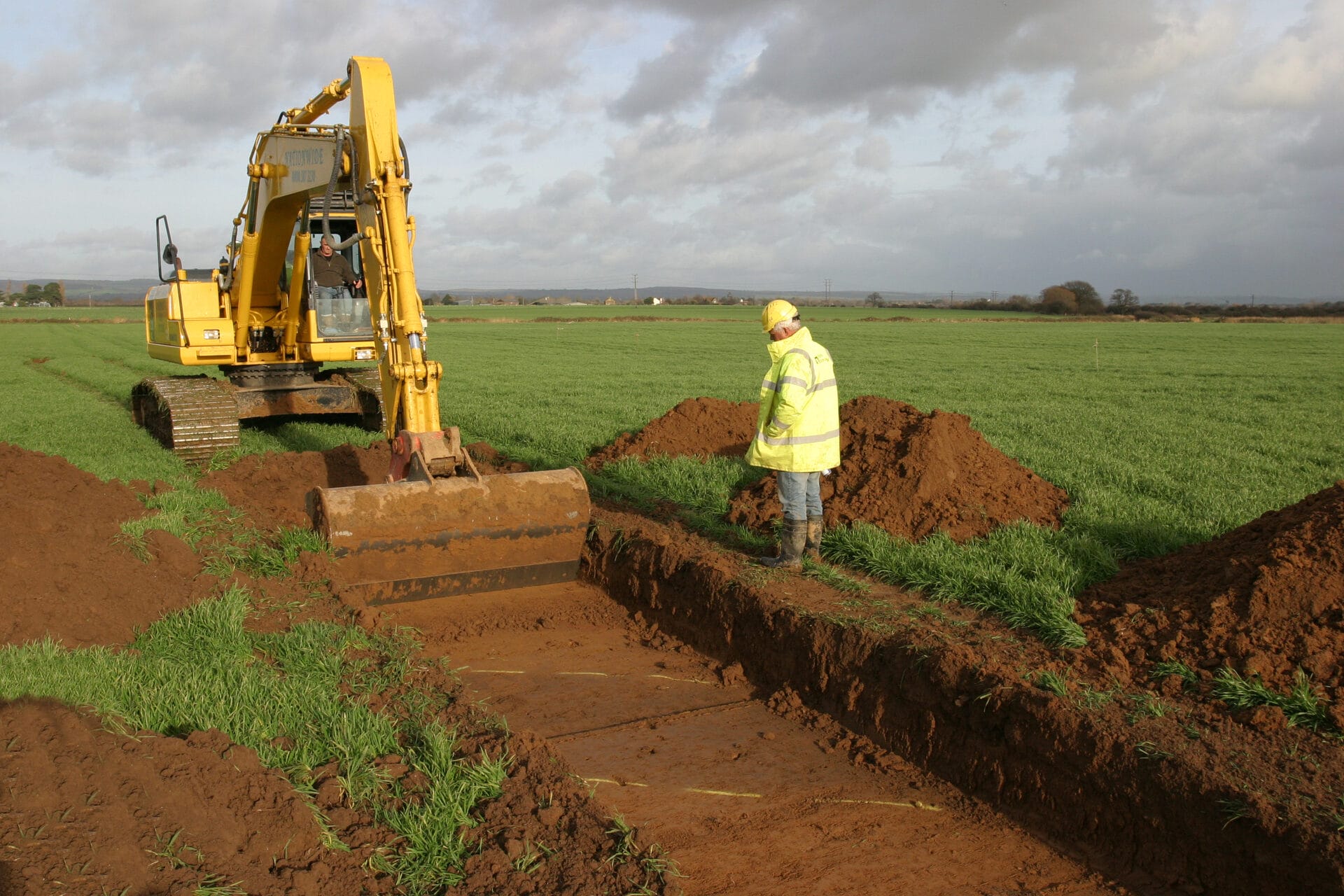
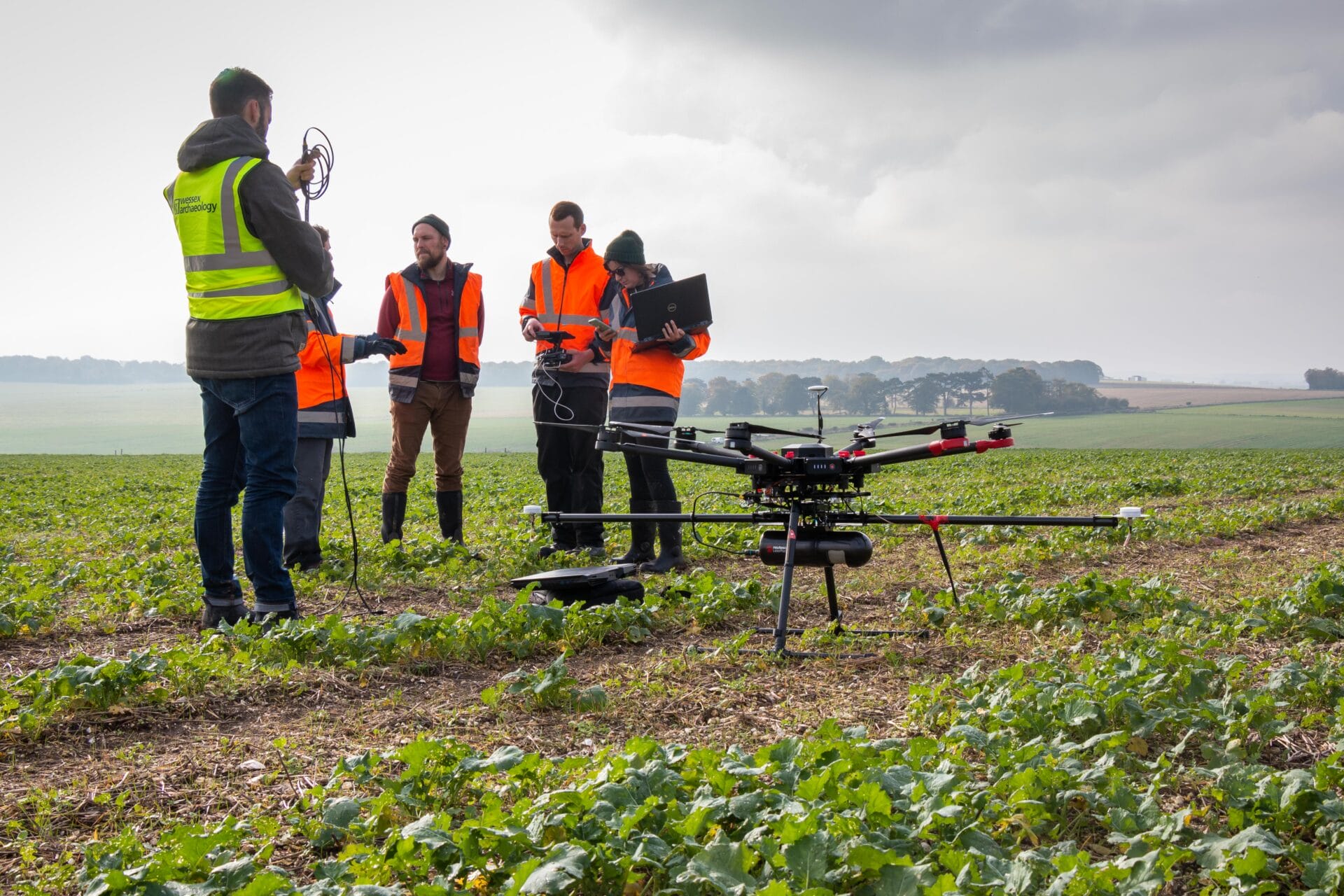
Through high-quality archaeological assessment, staged and focused from the outset to delivery, developers can make informed design decisions, demonstrate responsible development practice and meet planning policy requirements. A proportionate and integrated approach to evaluation techniques and design can save time and money without compromising the historic environment.
Archaeological work carried out during development can also create opportunities to connect with local communities, with finds and site histories offering a meaningful way to engage people throughout the project lifecycle.
A partnership approach
The Guide is a result of collaboration between Solar Energy UK, the Chartered Institute for Archaeologists (CIfA), Historic England, the Association of Local Government Archaeological Officers (ALGAO) and the Federation of Archaeological Managers and Employers (FAME). Historic England provided funding of around £40,000 to support its development.
The guide applies across England, Northern Ireland and Wales.
Comments
Kate Geary, CIfA Co-CEO, said: “CIfA strongly welcomes the publication of the Good Practice Guide and the positive and collaborative approach of both solar and archaeology sector colleagues involved in its development.
The opportunity to work together to improve mutual understanding, explore issues and identify solutions has been highly rewarding. The Guide provides more detailed advice which expands on existing professional standards for archaeological practice to support sustainable development and the protection of archaeological heritage for the benefit of society.”
Claudia Kenyatta and Emma Squire, co-CEOs, Historic England, said: “The publication of the Archaeology and Solar Farm Good Practice Guide represents a landmark moment made possible by positive collaboration across heritage, archaeology and development partners. By giving a clear and consistent framework covering every stage of a solar farm’s lifecycle, it enables informed decisions, reduces delays and ensures that our irreplaceable buried heritage is protected as renewal capacity grows.”
Chris Hewett, Chief Executive of Solar Energy UK, said: “This guidance is a landmark in bringing two different industries together on the same page, while also building a foundation for positive and lasting relationships between archaeologists and the solar sector. The new guidelines should ensure that archaeological investigations on solar farms are conducted more consistently, lowering costs and boosting confidence in investing in the transition to renewable energy.”
John Lawson, Chair, ALGAO:UK said: “ALGAO:UK welcomes the publication of the Archaeology and Solar Farms Good Practice Guide, the result of collaborative working between our members, Solar industry and industry partners. We hope that the new guide will provide a clear, consistent framework for managing archaeological considerations at every stage of large-scale solar farm projects and aid local and national government address our resilience to the changing climate.”
Joe Abrams, Director, Abrams Archaeology, said: “Abrams Archaeology work closely with solar farm developers, planners, and archaeological advisors to identify risks early and design workable solutions. This document reflects that collaborative approach and sets out practical guidance grounded in real-world experience.”
Dr Kate Roberts, CEO, Cadw, said: “Cadw welcomes this guidance, which it helped to develop and fully supports. It will help ensure that archaeological issues are considered early in the design process, supporting a more efficient planning process in Wales while helping to safeguard the historic environment.”
– ENDS –
Editor’s notes:
For more information or to request an interview, please contact:
Esther Blaine, East of England Public Engagement Manager, Historic England
esther.blaine@historicengland.org.uk
Gareth Simkins, Senior Communications Adviser, Solar Energy UK
news@solarenergyuk.org | solarenergyuk.org
The guide applies to large-scale solar farms only and does not cover small-scale ground-mounted installations. It does not address the setting of heritage assets or historic landscapes, which are covered by separate guidance.
About the Chartered Institute for Archaeologists (CIfA)
The Chartered Institute for Archaeologists (CIfA) is the leading professional body representing archaeologists working in the UK and overseas. Founded in 1982, CIfA aims to promote high professional standards and ethics in archaeological practice, ensuring that archaeologists bring significant benefits to society. CIfA provides resources, supports career development, and advocates for the interests of archaeology and archaeologists to government and industry.
About Historic England
We are Historic England, the public body that protects and brings life to the heritage that matters to us all, so it lives on and is loved for longer. From the extraordinary to the everyday, our historic places and spaces matter. From community centres to cathedrals, homes to high streets, markets to mills – there are special places we all choose to hold onto, the legacy we want to pass on and the stories we continue to tell. That’s why we work together with people across England to discover, protect and bring new life to our shared historic environment, providing advice, knowledge, support and services. Follow us on social media @HistoricEngland.
About Solar Energy UK
Solar Energy UK is an established trade association working for and representing the entire solar and energy storage value chain. It is funded largely by its membership and represent a thriving member-led community of over 400 businesses and associates. Our members range from ambitious and innovative SMEs to global brands.
About ALGAO:UK
ALGAO provides a forum representing archaeologists working for local authorities and national parks throughout the UK. Its members are professional archaeologists employed by local authorities to provide advice on archaeological conservation and management. It also acts as an advisor to the Local Government Association (LGA) on archaeological matters. The range of interests of our members embraces all aspects of the historic environment, including cultural heritage, archaeology, buildings and the historic landscape, and our stated aims are to provide a strong voice for local authority historic environment services and promote these to strengthen and develop their role within local government in delivering local and national government policy; ensure local government historic environment services are included within policy (national and local) for culture and education; ensure that policy aims to improve the sustainable management of the historic environment; and promote the development of high standards in the historic environment profession.
About Abrams Archaeology
Abrams Archaeology is a commercial archaeological consultancy providing expert, practical advice to solar farm developers. We identify risk, reduce uncertainty, and deliver efficient, policy-aligned solutions. Abrams Archaeology was commissioned by CIfA to assist with the writing of the guidance.
About Cadw
Cadw is the Welsh Government’s historic environment service, working to protect, conserve and promote Wales’s rich heritage. It cares for the historic places in the care of the Welsh Ministers and provides expert advice on the protection of historic buildings, monuments and landscapes. Through its work, Cadw helps people across Wales and beyond to understand, enjoy and value the nation’s historic environment.
Author

Gareth Simkins
Senior Communications Adviser
Talk to me about
PR Crisis Management • PR & Media • NSIP Communications