Solar Energy UK
10 February 2026
The new Local Power Plan will “put solar power, battery energy storage and other renewable energy technologies into the heart of our communities,” says Solar Energy UK CEO Chris Hewett.
The £1bn investment behind the scheme is worth a hundred times more than the previous Community Energy Fund.[1]
Grassroots groups already have around 1.9 gigawatts of projects underway. The funding boost will create further opportunities for local investment by local people, cut bills for community assets such as leisure centres and schools and create well-paid jobs – all while strengthening our energy security and decarbonising the energy system.
The cash will go towards grants for initial feasibility studies by experts – often solar and battery installers – alongside new loan schemes and a fund for direct co-investment in selected projects by Great British Energy. Together, these will help far more projects to reach fruition.
The state-owned firm will also create its own team of specialist advisors.
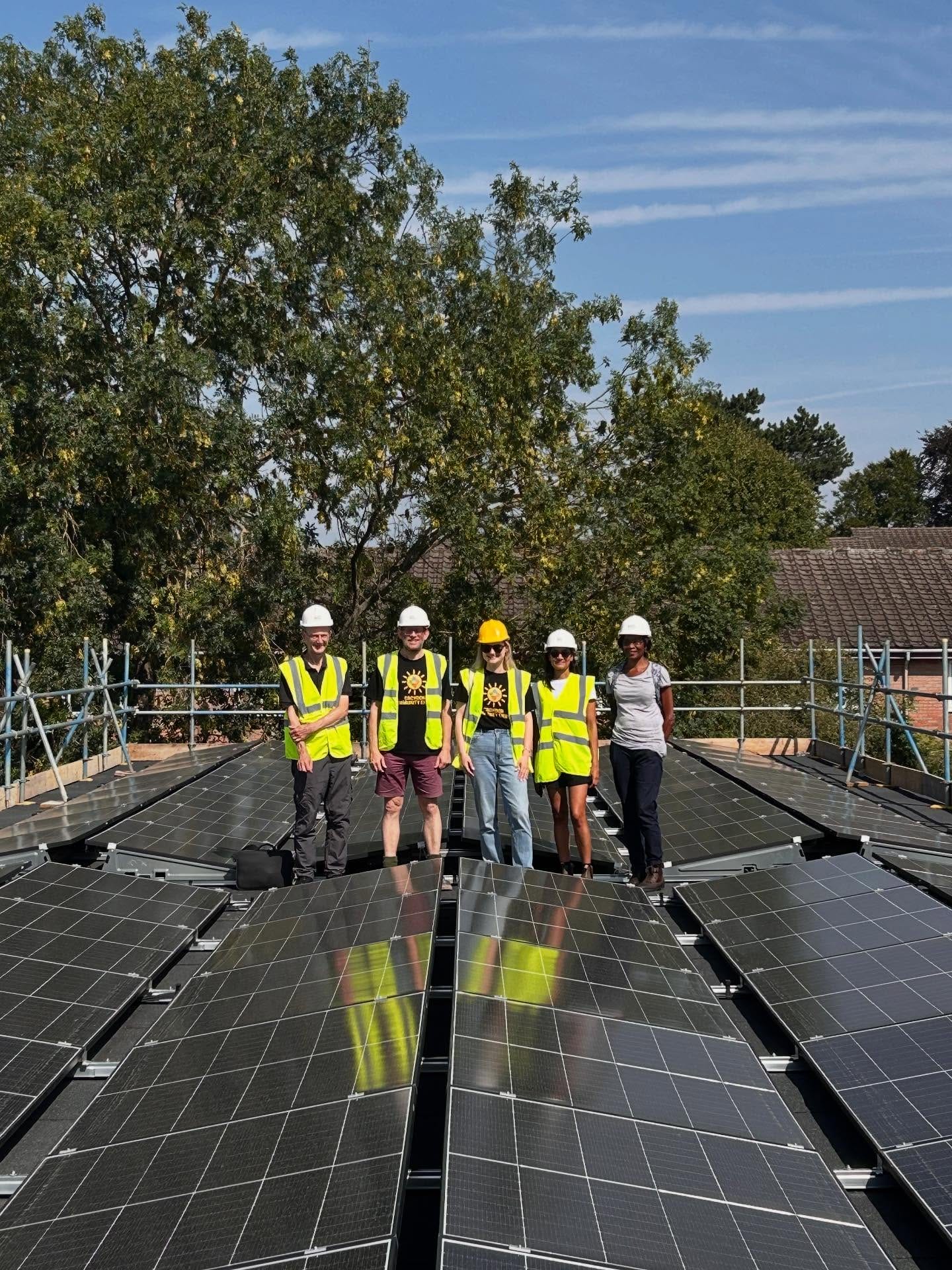
In other welcome moves, the plan refers to reforming the costly red tape surrounding grid connections, driving more community energy installations on public sector buildings and making it easier to sell power to the grid at scale. In particular, Solar Energy Scotland welcomes a specific pledge to address the barriers presented by the Scottish grid having lower thresholds for expensive transmission impact assessments – 200 kilowatts, compared to five megawatts in England and Wales.
“We are seeing a massive boost in how clean energy is supporting Britian. The £1bn local power plan is going to bring renewables into the heart of communities all over the country. So that means lower bills for schools, for community centres, village halls and many more. Our members look forward to advising community energy companies on potential projects and delivering them, to everyone’s benefit. Many of their staff are volunteers in community energy groups, giving their time and expertise for free,” Hewett said.
“Announced alongside the seventh round of Contracts for Difference, today was a truly great day for the solar sector, for rooftop and groundmount developers alike.[2],” he added.
Shared ownership
Despite the good news, we do have concerns about an element outside the conventional bounds of community energy: shared ownership of solar farms.
The plan says that the government will consult on a plan to mandate it later this year, following a working paper launched last year.[3] It would take the form of owning a certain physical portion of a project; as a joint venture between a community group and a developer; or a community purchasing a stake in a project’s revenue.
“We are worried that forcing developers to hand over part of their projects will disincentivise investment, just at the time that the UK needs to grow its renewable energy generation capacity at an unprecedented rate. Coming on top of the recent change in indexation for legacy subsidy payments and expectations of a mandatory framework for community benefits, the proposal does not send the right signal to the industry,” said Gemma Grimes, Solar Energy UK’s Director of Policy and Delivery.
[1] Local Power Plan – Department for Energy Security and Net Zero
[2] Solar power bonanza will push down consumer bills – Solar Energy UK
[3] Community benefits and shared ownership for low carbon energy infrastructure – Department for Energy Security and Net Zero
– ENDS –
Editor’s notes
For more information or to request an interview, please contact:
Gareth Simkins, Senior Communications Adviser
Author

Gareth Simkins
Senior Communications Adviser
Talk to me about
PR and Media